Bolaven Plateau
Things to see and do
Exploring the Bolaven Plateau offers a myriad of enriching experiences for travelers seeking adventure, cultural immersion, and natural beauty. Here are some highlights of what to see and do in this captivating region:
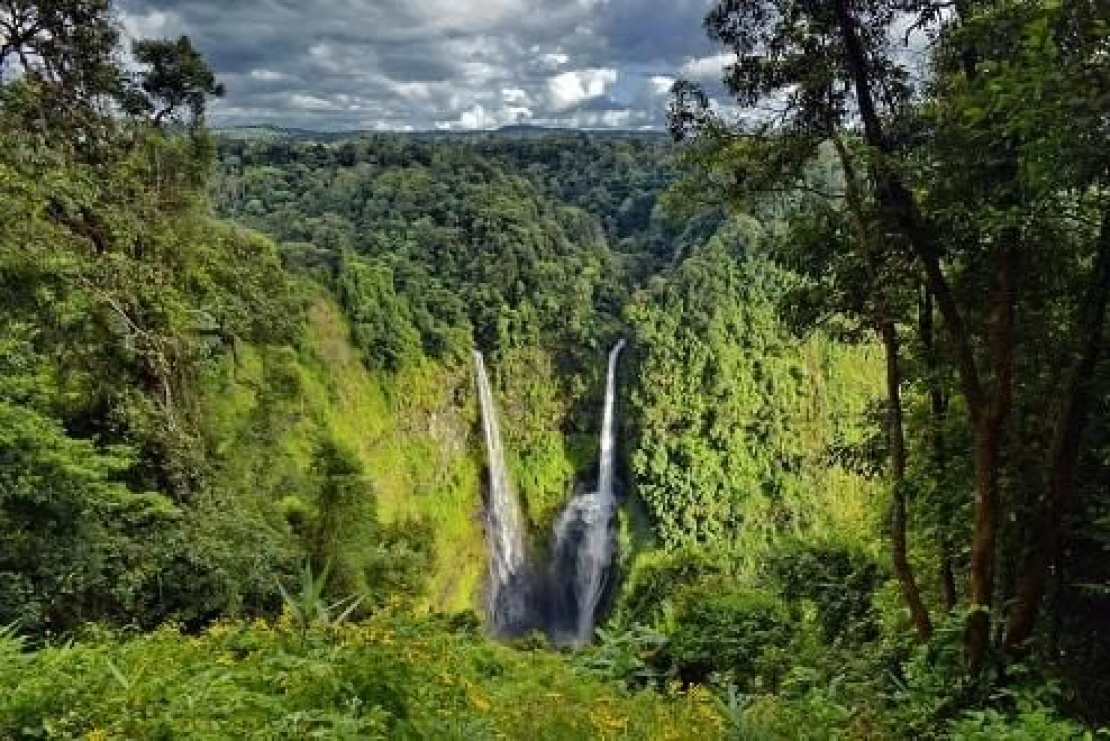
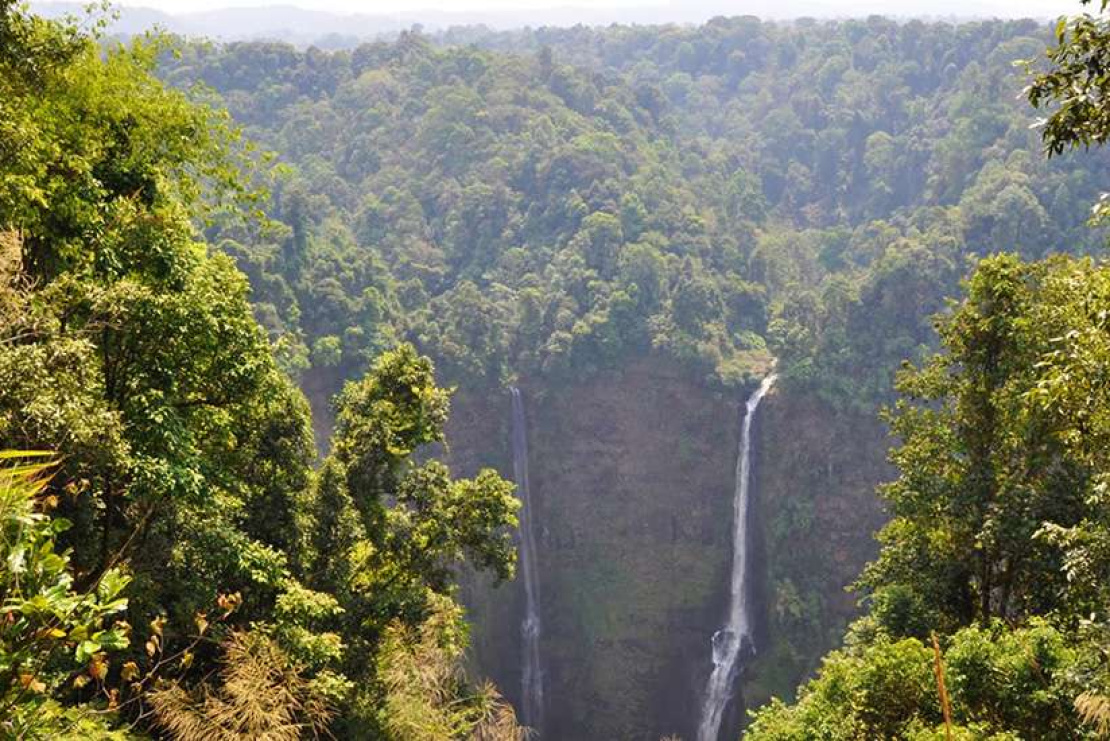
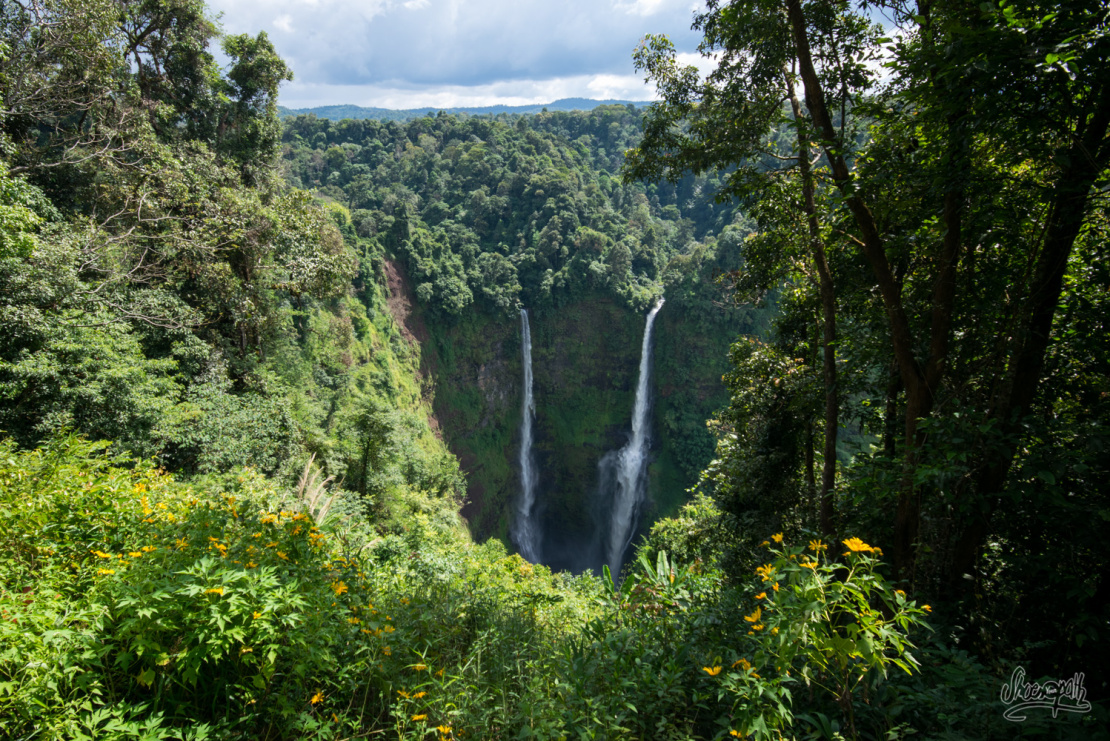
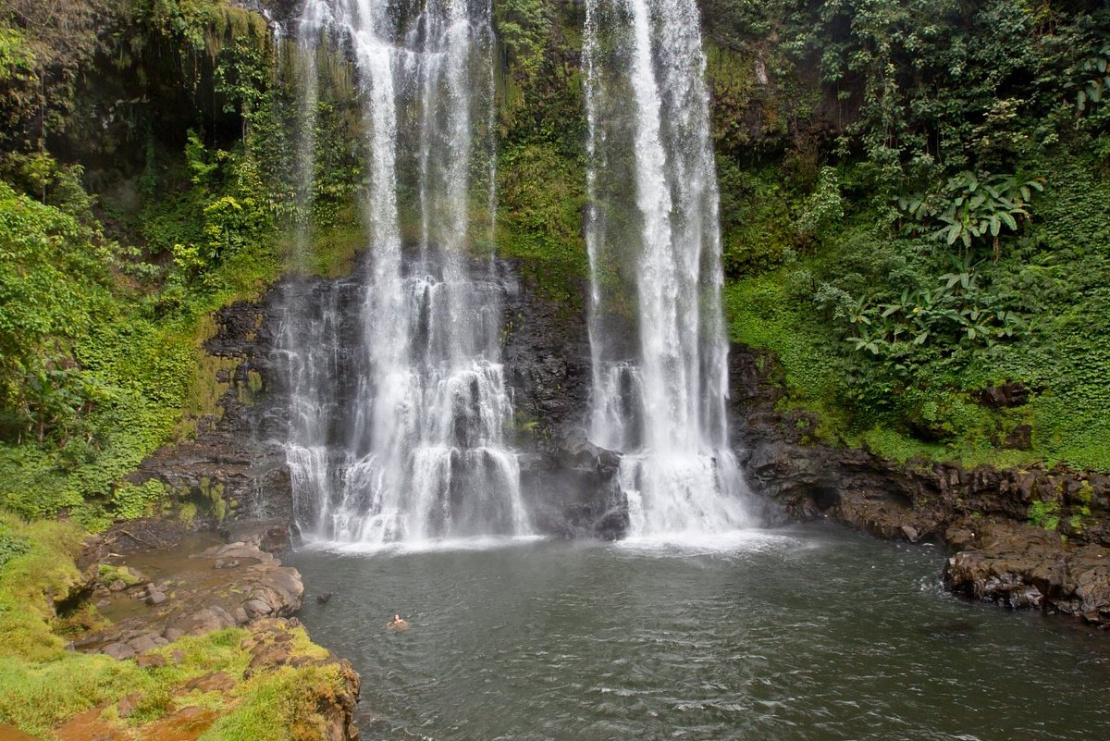
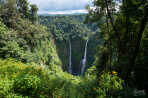
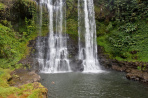
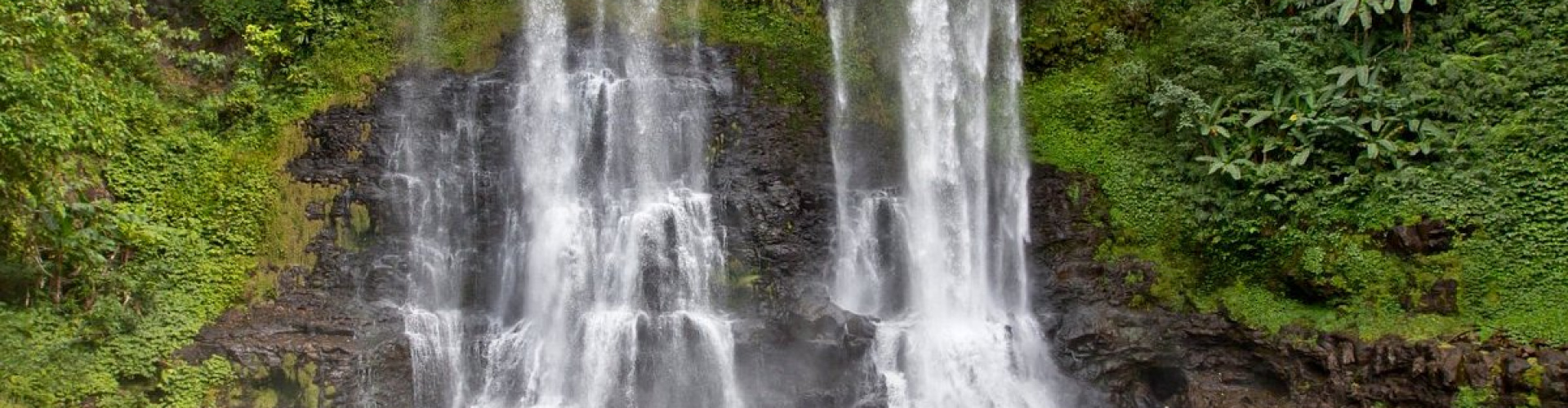
Waterfall Hopping: The Bolaven Plateau is renowned for its stunning waterfalls, including Tad Fane, Tad Yuang, and Tad Lo. Embark on a waterfall-hopping adventure to marvel at the cascading streams amidst lush greenery, offering ideal spots for picnics, photography, and relaxation.
Coffee Plantations Tour: Discover the region's thriving coffee culture by visiting local plantations. Take guided tours to learn about the coffee-making process, from bean to brew, and sample freshly roasted Arabica and Robusta coffees. Don't miss the opportunity to enjoy a cup of aromatic local coffee in charming cafes nestled amidst verdant landscapes.
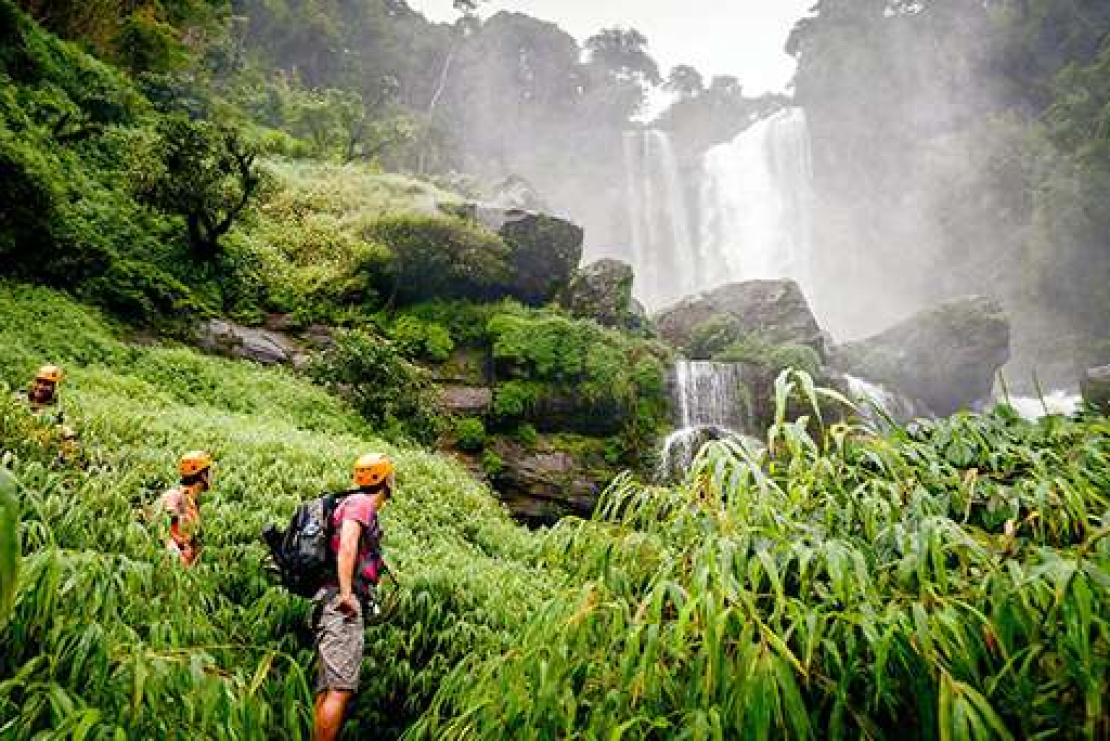
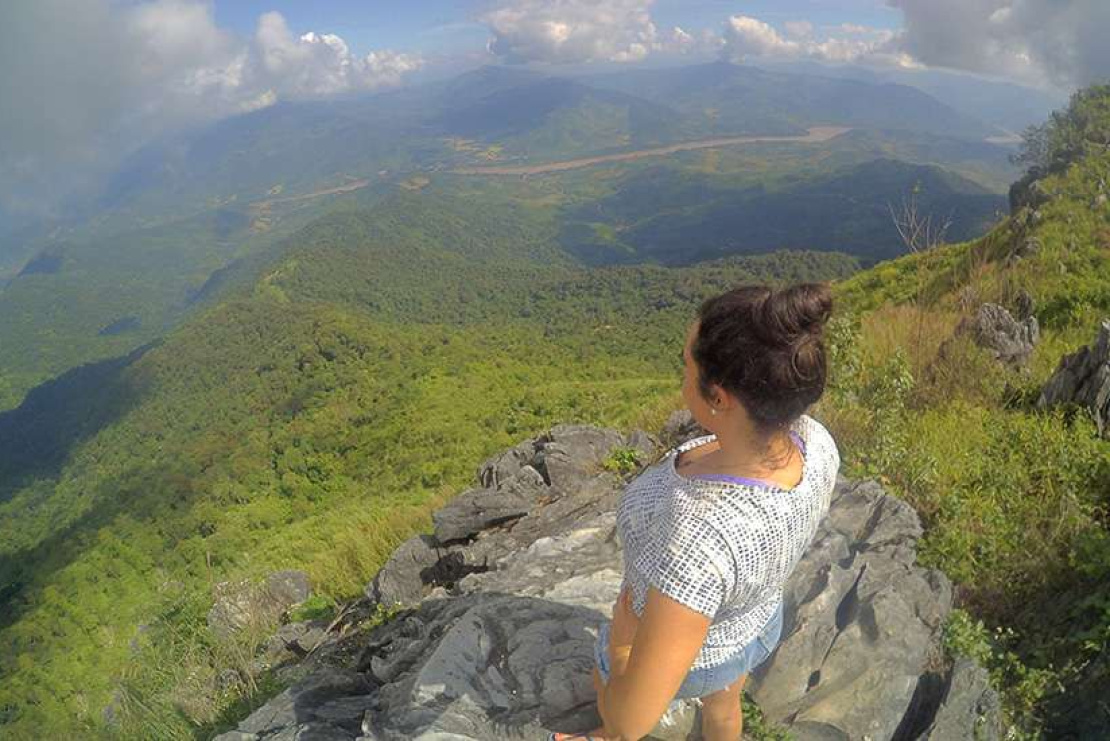
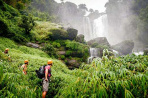
Trekking and Hiking: Lace up your hiking boots and explore the Bolaven Plateau's extensive network of trails. From leisurely strolls through tea fields to challenging treks in dense jungles, there are options for every level of adventurer. Encounter diverse flora and fauna, breathtaking viewpoints, and encounters with local communities along the way.
Cultural Encounters: Immerse yourself in the rich cultural tapestry of the plateau by visiting traditional villages inhabited by ethnic minority groups such as the Laven, Alak, and Katu. Engage in authentic cultural exchanges, witness traditional ceremonies, and learn about age-old customs, handicrafts, and culinary traditions.
Tea Plantations Visit: In addition to coffee, the Bolaven Plateau is also home to sprawling tea estates. Take guided tours of tea plantations to learn about tea cultivation, processing, and tasting. Savor the delicate flavors of freshly brewed tea while enjoying panoramic views of rolling hills and verdant valleys.
Scenic Drives: Embark on scenic drives through the plateau's picturesque countryside, where verdant landscapes, meandering rivers, and charming villages await at every turn. Capture postcard-worthy vistas, stop by roadside stalls for local snacks, and soak in the tranquil ambiance of rural Laos.
Adventure Sports: For adrenaline enthusiasts, the Bolaven Plateau offers opportunities for adventurous activities such as zip-lining, mountain biking, and ATV tours. Navigate rugged terrain, zip through dense forests, and experience the thrill of outdoor adventure in this pristine natural playground.
Good to Know
When to visit?
The best time to visit the Bolaven Plateau in Laos largely depends on your preferences and what activities you plan to do. Here's a breakdown:
Dry Season (November to April): This period is considered the peak tourist season in Laos, including the Bolaven Plateau. The weather is generally dry, with clear skies and comfortable temperatures, making it ideal for outdoor activities such as trekking, hiking, and waterfall exploration. Coffee and tea plantations are also at their most scenic during this time, with lush greenery blanketing the landscape.
Rainy Season (May to October): The rainy season brings increased rainfall to the region, resulting in lush vegetation and vibrant landscapes. While the frequent showers may impact outdoor activities, they also contribute to the spectacular display of waterfalls on the plateau. The rainy season offers a unique opportunity to witness the waterfalls at their fullest and most impressive, making it a great time for waterfall enthusiasts and photographers. Additionally, accommodations and tourist sites may be less crowded during this time, and you can often find better deals on accommodation.
Ultimately, the best time to visit the Bolaven Plateau depends on your interests and tolerance for rain. If you prioritize dry weather and outdoor activities, the dry season is your best bet. However, if you don't mind occasional showers and want to witness the waterfalls in their full glory, the rainy season can offer a unique and memorable experience.
Access
Accessing the Bolaven Plateau in Laos is relatively straightforward, with several transportation options available depending on your starting point and travel preferences. Here are the primary ways to access the plateau:
By Road: The most common way to reach the Bolaven Plateau is by road. The plateau is accessible from various cities and towns in southern Laos, including Pakse, Champasak, and Attapeu. From Pakse, the largest city in the region, you can either rent a car or motorbike, hire a taxi, or take a local bus or minivan to reach the plateau. The roads leading to the plateau are generally well-maintained, although some remote areas may have rougher terrain.
Motorbike Rental: Renting a motorbike is a popular option for travelers seeking flexibility and independence. Motorbikes can be rented from Pakse and other nearby towns, allowing you to explore the plateau at your own pace. Keep in mind that road conditions can vary, especially in rural areas, so be sure to exercise caution and wear appropriate safety gear.
Organized Tours: Another option is to join an organized tour that includes transportation to the Bolaven Plateau. Many tour operators in Pakse offer day trips or multi-day tours that cover key attractions on the plateau, including waterfalls, coffee plantations, and traditional villages. This can be a convenient option for travelers who prefer guided experiences and hassle-free transportation.
Public Transportation: Public buses and minivans operate between Pakse and other towns in southern Laos, providing an affordable option for budget-conscious travelers. While public transportation can be slower and less comfortable than private vehicles, it offers an authentic way to experience local life and interact with fellow travelers.
Regardless of how you choose to access the Bolaven Plateau, be sure to plan your transportation in advance, especially if traveling during peak tourist seasons. Additionally, consider the duration of your stay and the attractions you wish to visit to ensure a smooth and enjoyable journey to this picturesque region of Laos.
Where to eat and taste
When it comes to dining and tasting local flavors on the Bolaven Plateau in Laos, you'll find a delightful array of options ranging from traditional Lao cuisine to international fare. Here are some recommendations on where to eat and taste the best of what the plateau has to offer:
Local Markets and Street Food Stalls: Explore the bustling markets and street food stalls in towns and villages across the plateau to sample authentic Lao dishes and snacks. Look out for specialties like khao soi (noodle soup), larb (spicy minced meat salad), and grilled meats served with sticky rice. Don't miss the opportunity to try local delicacies such as bamboo shoots, river fish, and fried insects for a true taste of Lao cuisine.
Coffee Shops and Cafés: With its thriving coffee culture, the Bolaven Plateau is dotted with charming coffee shops and cafés where you can savor freshly brewed coffee made from locally grown beans. Visit coffee plantations or cafés in towns like Paksong and Tad Lo to enjoy a cup of aromatic Lao coffee paired with homemade pastries or desserts. Many establishments also offer coffee tasting sessions and tours of their facilities.
Tea Plantations and Tea Houses: In addition to coffee, the Bolaven Plateau is known for its tea production, with numerous tea plantations scattered across the region. Visit tea estates such as the Lao Tea Farm in Paksong to learn about tea cultivation and processing, and sample a variety of premium teas. Some tea plantations also have on-site tea houses or tasting rooms where you can enjoy tea ceremonies and panoramic views of the surrounding countryside.
Guesthouses and Homestays: Many guesthouses and homestays on the Bolaven Plateau offer home-cooked meals prepared with fresh, locally sourced ingredients. Stay with local families in villages like Tad Lo or Tad Tayicseua to experience authentic Lao hospitality and enjoy traditional meals made with love. These experiences often include communal dining where you can interact with hosts and fellow travelers while sharing delicious food.
International Restaurants: While Lao cuisine takes center stage, you'll also find a variety of international restaurants and eateries catering to diverse tastes on the Bolaven Plateau. From French-inspired bistros to Italian pizzerias and Thai restaurants, there's something for everyone. Check out popular dining spots in towns like Pakse and Champasak for a mix of local and international flavors.