Dien Bien Phu
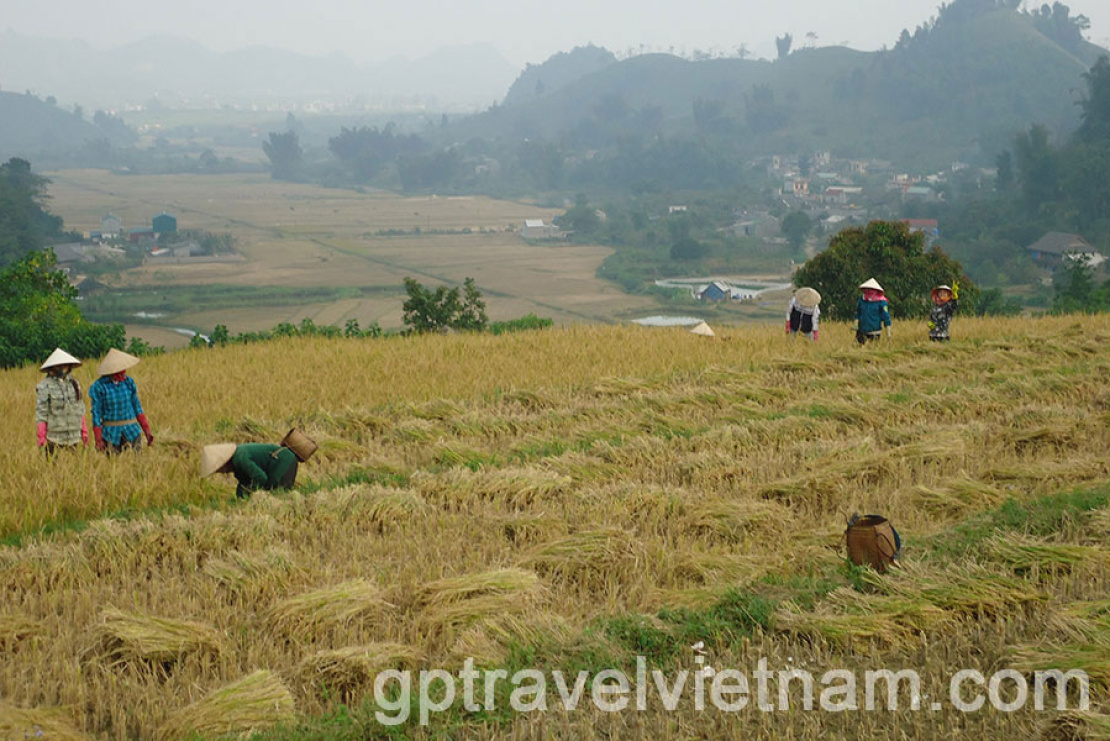
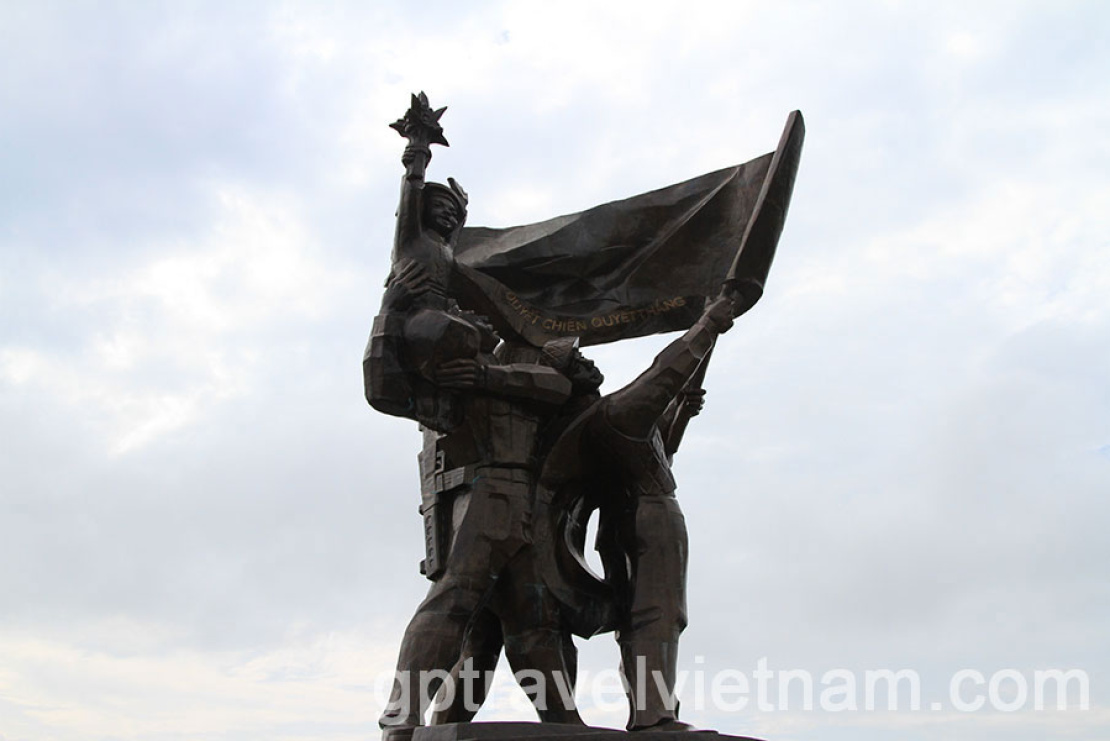
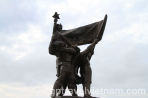
Nestled in a lush valley surrounded by green mountains, Điện Biên Phủ is best known as the site of the decisive 1954 battle, where the Viet Minh forces defeated the French, marking the end of French colonial rule in Indochina. Today, it is a fast-growing city, rich in history and surrounded by stunning natural beauty.
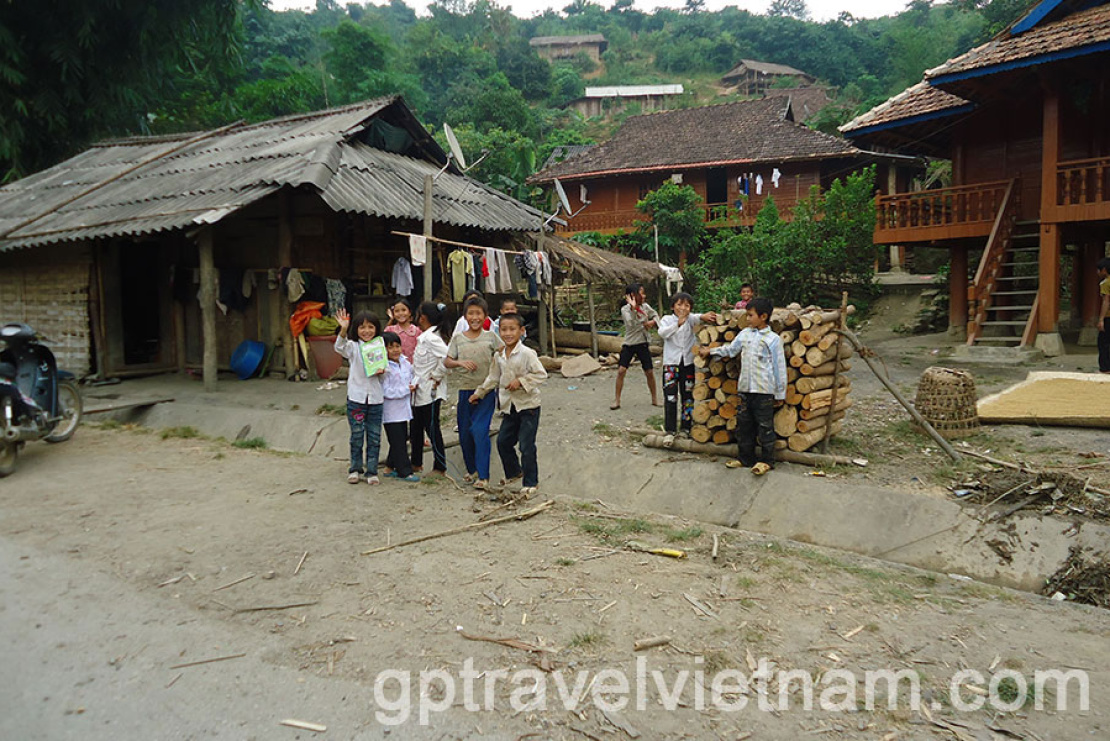
As the capital of Điện Biên Province, the city lies just 40 km from the Laos border, making it a convenient gateway via the Tây Trang border post. This mountainous region is home to nearly 20 ethnic groups, including the Thái, H’Mông, Khmu, Si La, and Dao, each contributing to its vibrant cultural heritage.
While Điện Biên Phủ is steeped in history, its surrounding landscapes and vibrant ethnic communities offer incredible opportunities for adventure and cultural immersion:
- Local Markets: Explore the weekly markets of Tủa Chùa and Tuần Giáo, where diverse ethnic groups gather to trade handicrafts, textiles, and fresh produce. These markets provide a glimpse into authentic highland life and traditions.
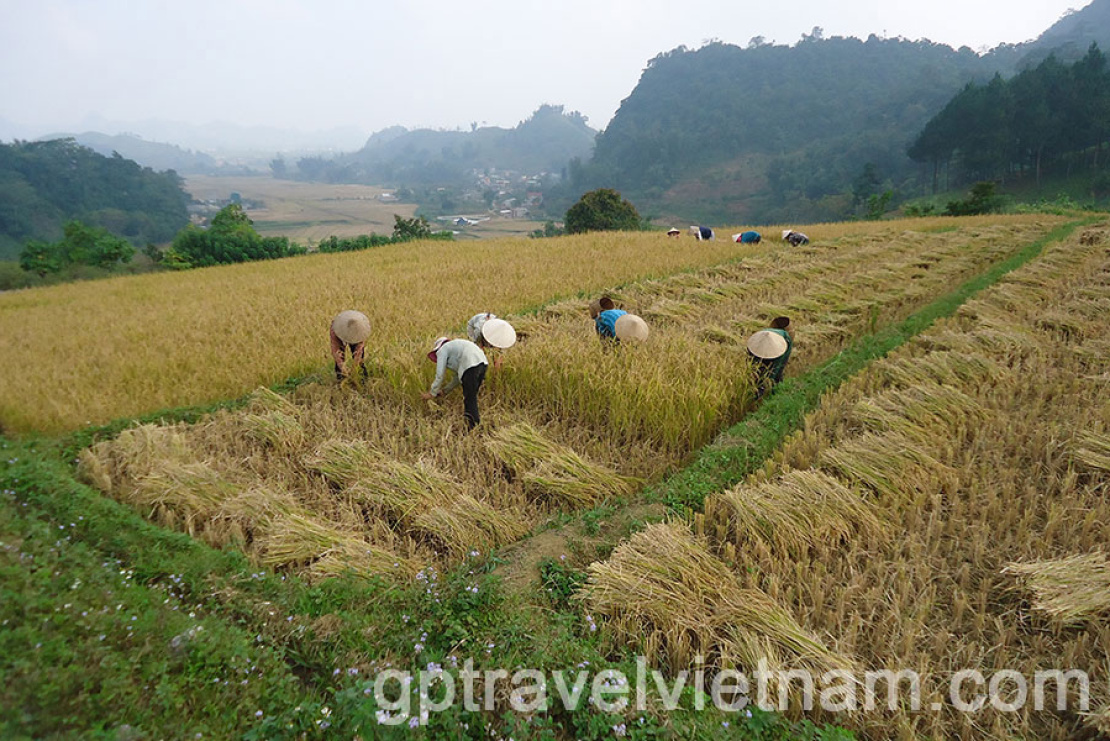
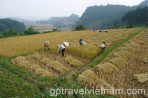
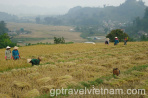
- Nature & Ethnic: Travel through untouched wilderness and stunning natural scenery & visit hidden ethnic villages nestled in the mountains: Thái, H’Mông, or Dao families to experience traditional mountain life, from farming and weaving to enjoying home-cooked ethnic cuisine.Things to see and do
Him Lam Hill – One of the first strongholds to fall during the campaign on March 13, 1954.
Hill A1 (Eliane 2) – The most fortified French camp, fiercely contested for 56 days before falling to the Vietnamese on May 6, 1954.
Vietnamese Fighters’ Military Cemetery – A solemn tribute to the soldiers who perished, including national heroes like Phan Đình Giót and Bế Văn Đàn.
Điện Biên Phủ Museum – Displays over 1,000 artifacts, photographs, and documents, detailing the battle and its aftermath.
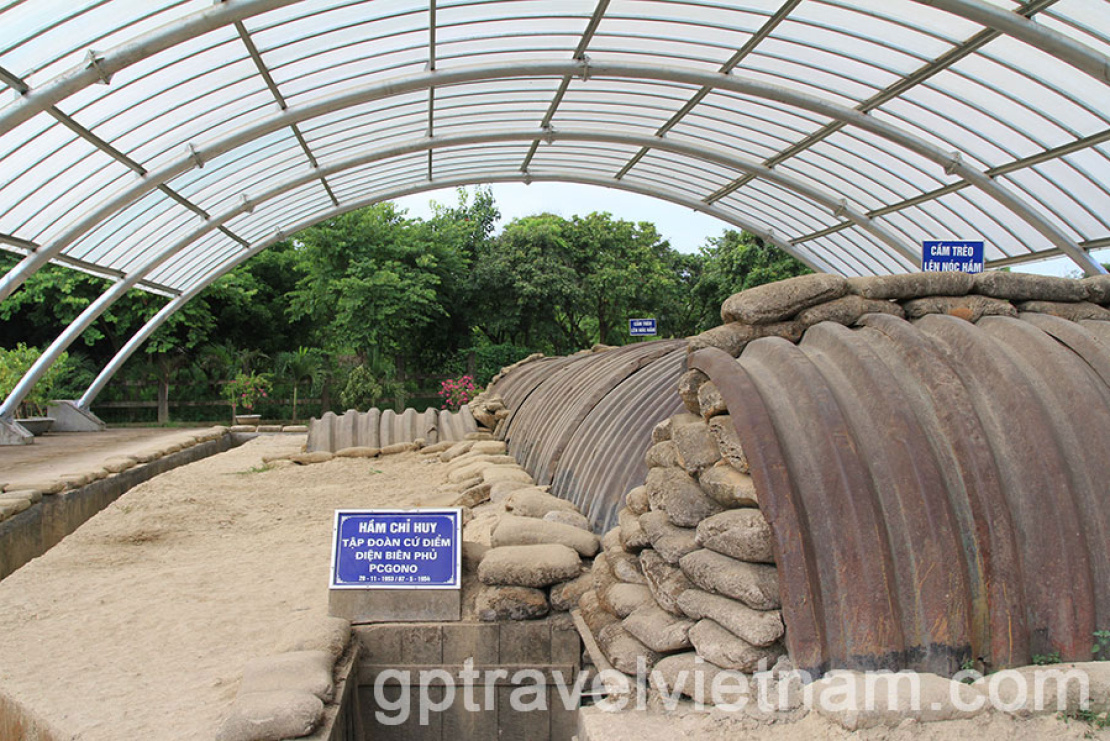
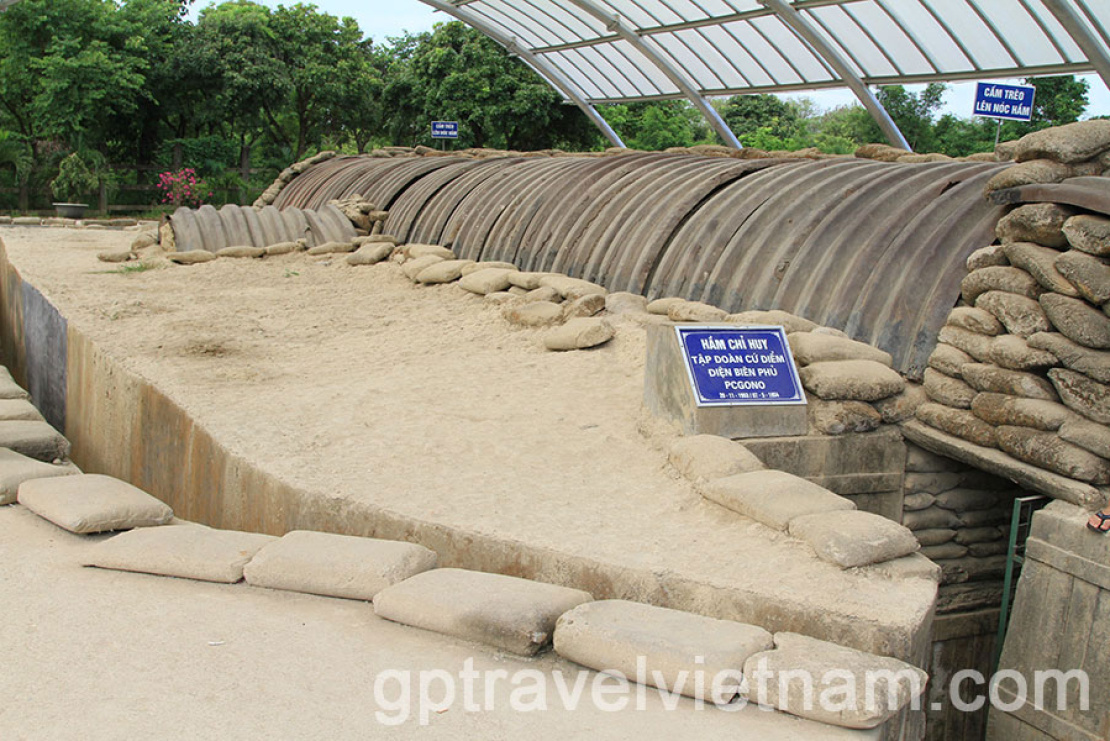
French General De Castries' Bunker – The command post of General De Castries, where he directed the battle until the final surrender on May 7, 1954.
French Soldiers’ Memorial – A modest monument 300 meters from the De Castries bunker, built by a former French Legionnaire.
General Võ Nguyên Giáp’s Command Post – Located in the Muong Phang forest, 25 km from the battlefield, where Vietnamese military leaders strategized the decisive victory.
Pa Khoang Lake – A peaceful lake 25 km from Điện Biên Phủ, ideal for ecotourism, kayaking, and boat trips. Explore Thai and Kho Mu ethnic villages along the shores.
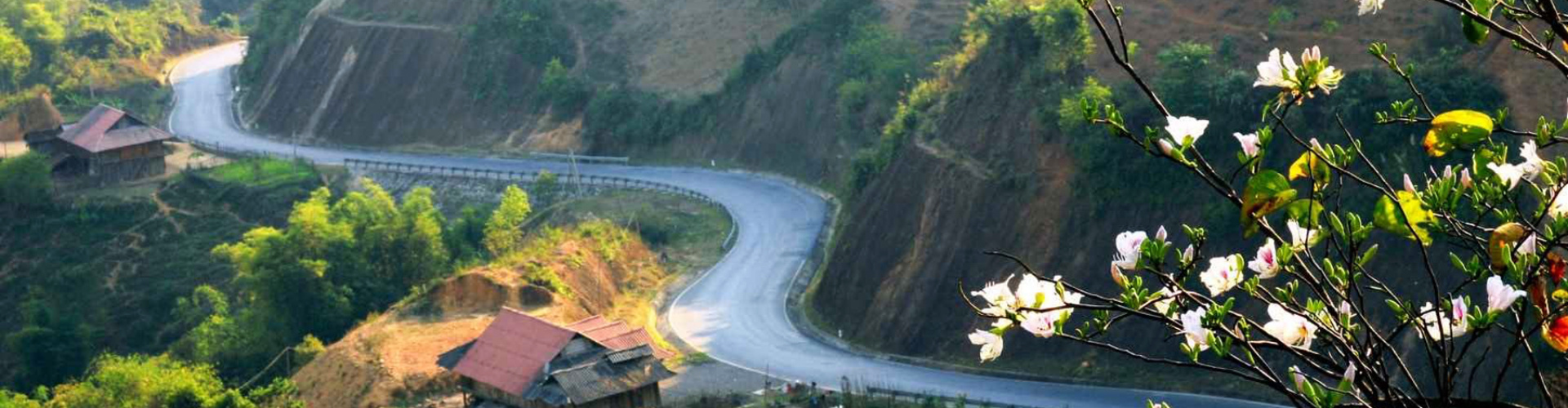
Pha Đin Pass – A legendary 32 km mountain pass, reaching 1,000 meters above sea level, where "heaven and earth meet."
Muong Luan Ancient Tower – A 16th-century Buddhist stupa, linked to a legend of Laotian refugees and a guiding pig.
Tua Chùa Ethnic Markets – Colorful weekly markets where H’Mông, Dzao, and other ethnic groups gather in their traditional attire. Markets to visit include: Tà Sìn Thàng Livestock Market, Tua Chùa Night Market & Sunday Market, Xá Nhè & Mường Báng Weekly Markets
A Pa Chải – Vietnam’s Westernmost Point – A remote trekking spot at 1,854 meters, where the borders of Vietnam, Laos, and China converge. Meet the Hà Nhì ethnic people, known for their unique mountainside dwellings.
Mường Nhé Nature Reserve – A biodiverse sanctuary 700 km from Hanoi, home to rare wildlife and lush forests.
Good to Know
Access
By Plane: Vietnam Airlines operates daily Hanoi – Điện Biên Phủ flights. Flight duration: 1 hour 10 minutes. Điện Biên Phủ Airport is located just 4 km from the city center.
By Bus: Sleeper buses depart daily from Hanoi's major bus stations: Mỹ Đình, Yên Nghĩa, Giáp Bát. Overnight journey from Hanoi to Điện Biên Phủ.
By Private Car: 500 km of scenic mountain roads. Average speed: 40 km/h, making it a long but rewarding drive. Suggested route: National Road 6 → Sơn La → Pha Đin Pass → Tuần Giáo → Điện Biên Phủ.
Continuing your journey
Sapa: Reach this famous mountain town in one day by car and explore its breathtaking rice terraces, ethnic villages, and cool climate.
Mù Cang Chải: Travel to the stunning rice terraces, with a recommended overnight stopover along the way to fully enjoy the journey.
Laos: After visiting Điện Biên Phủ, cross into Laos via the Tây Trang border. From there, head to Muang Khua, a charming riverside town on the Nam Ou River, perfect for onward travel deeper into Laos.